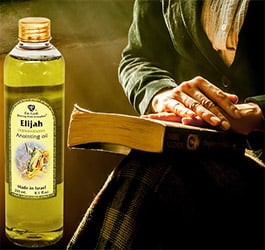



Anointing Oil: Biblical Types and Uses
Anointing oil has clear biblical purposes, and Scripture presents those purposes with remarkable consistency. In the Bible, types of anointing appear as acts of dedication, commissioning, and restoration. Therefore, this buyer’s guide helps pastors, prayer teams, families, and church leaders choose oils with spiritual clarity. Each bottle from Zak’s Jerusalem Gifts connects your devotional life to Israel, the land of patriarchs, prophets, apostles, and the Messiah.
Discover how anointing oil is used throughout Scripture for prayer, healing, consecration, and ministry—and how Holy Land oils can help believers practice these biblical traditions with reverence and faith.
Our Anointing Oils from Israel are crafted in the Holy Land with authentic virgin olive oil from Galilee and Jerusalem. In addition, each blend receives fragrance notes inspired by biblical botanicals, such as frankincense, myrrh, hyssop, and floral aromas. These oils do not carry magical power. However, they serve as tangible points of contact during obedient prayer. Because faith rests in Jesus Christ, the oil simply helps believers act with reverence, focus, and scriptural understanding.
- Made in Israel with virgin Galilee olive oil
- Scriptural fragrances for prayer and ministry
- Roll-on, dropper, and bulk altar oil sizes
- Frankincense, myrrh, hyssop, and floral blends
- Thoughtful gifts for pastors and prayer teams
- Worldwide shipping from Jerusalem to your home
The Biblical Purpose of Anointing Oil
In Scripture, oil often marks a moment when God claims, equips, or restores. First, oil appears in acts of consecration. Jacob poured oil on the stone at Bethel after his dream of heaven. Later, Moses anointed the Tabernacle and its vessels. Exodus 40:9 says, “And you shall take the anointing oil, and anoint the tabernacle and all that is in it.” Therefore, consecration separates an object, place, or space for holy use.
Second, oil marks divine empowerment for calling and leadership. In 1 Samuel 16:13, Samuel anointed David, and “the Spirit of the Lord came upon David from that day forward.” This moment did not crown David through human ambition. Rather, it revealed God’s choice and prepared him for kingdom service. Today, churches often anoint pastors, elders, missionaries, and intercessors during prayerful commissioning.
Third, oil appears with healing prayer and restoration. Mark 6:13 says the disciples “anointed with oil many who were sick, and healed them.” James 5:14-15 also instructs the sick to call church elders for prayer. Thus, biblical anointing joins physical action with faith-filled intercession.
Biblical Anointing Oils from Israel for Consecration, Power, and Healing Prayer
The Consecration Anointing
The consecration anointing sets apart spaces, objects, and thresholds for the Lord. In Scripture, this pattern appears in Genesis and Exodus. Jacob used oil at Bethel after encountering God. Moses used oil for the Tabernacle, its furnishings, and priestly service. Therefore, consecration declares that a place no longer belongs to common use alone. It belongs to God’s purposes.
Today, believers may use consecration oil when dedicating a home, prayer room, church altar, or ministry office. A small drop on a doorpost, window frame, Bible, or communion table can mark a prayerful dedication. However, the act should remain humble and Christ-centered. The oil does not guard the room by itself. Instead, the believer prays in Jesus’ name and invites the Holy Spirit to rule the atmosphere.
Frankincense and Myrrh oil suits this purpose beautifully. Frankincense recalls worship, priestly offering, and the gifts brought to Jesus. Myrrh points to sacrifice, burial, and consecrated devotion. For homes, a 12ml roll-on bottle offers clean application. For churches, a 250ml ministry size supports prayer teams and dedication services.
For more background on this practice, see the use of anointing oil in Old Testament times.
The Empowerment Anointing
The empowerment anointing centers on calling, authority, courage, and spiritual service. In the Old Testament, prophets, priests, and kings received anointing for specific tasks. David’s anointing shows this clearly. Samuel poured oil, but God released the true authority. Likewise, Christian ministry still depends on the Holy Spirit, not human charisma.
Under the New Covenant, every born-again believer belongs to Christ’s royal priesthood. First Peter 2:9 calls the church “a chosen generation, a royal priesthood, a holy nation.” Therefore, oil can accompany prayers for leadership, intercession, evangelism, and spiritual warfare. Pastors may anoint elders during ordination. Prayer leaders may anoint intercessors before an intense season of ministry. Families may also pray over a son or daughter before mission work.
Elijah and Lion of Judah blends fit this category well. Elijah reminds believers of prophetic courage, prayer, and bold obedience. Lion of Judah points to Jesus, the conquering King from the tribe of Judah. A 10ml roll-on supports travel and ministry visits. A 30ml dropper bottle works well for teams, altar calls, and leadership prayer.
For a helpful companion guide, read James 5:14-15 on Bible Gateway.
The Restoration Anointing
The restoration anointing focuses on healing, cleansing, comfort, and peace. James 5 gives the clearest New Testament instruction. The sick should call the elders of the church. Then, the elders should pray and anoint them with oil in the name of the Lord. The passage anchors healing in the prayer of faith, not in the oil itself.
Because illness can touch body, soul, and spirit, restoration prayer must remain compassionate. Oil may be applied to the forehead, hands, or another appropriate place. During hospital visits, a roll-on bottle offers a gentle and discreet option. At home, families may gather near a bedside and pray with Scripture. Psalm 23, Psalm 91, Isaiah 53, and the Gospels can guide the moment.
Hyssop and Lily of the Valley blends are meaningful choices. Hyssop recalls purification and cleansing, while Lily of the Valley evokes comfort and peace. A 12ml pocket size works well for personal prayer. A 125ml altar bottle supports church healing services and visitation ministry.
How to Use Anointing Oil in Daily Ministry
First, choose the oil that matches the purpose of the prayer. Then, explain the moment simply so everyone present understands that the act is symbolic and faith-filled. Because the oil is not magical, the emphasis should stay on prayer, obedience, and the authority of Christ.
- For consecration: lightly anoint a doorpost, room entrance, or ministry object, and pray over it in Jesus’ name.
- For empowerment: place a small drop on the forehead or hands of the person being commissioned, and ask for Holy Spirit strength.
- For restoration: anoint the sick with reverence, then pray the prayer of faith with the elders or family members present.
In every case, the right attitude matters as much as the right oil. Use faith, not ceremony. Use reverence, not superstition. Above all, keep Christ at the center of the prayer.
Choosing the Right Holy Land Oil
Not every ministry setting needs the same bottle size or fragrance. For example, a pastor who travels for visitation may prefer a compact roll-on bottle. A prayer team that serves a congregation may need a dropper bottle for easy sharing. However, a church that hosts ordinations, deliverance sessions, or healing services may prefer a larger altar size or bulk ministry supply.
Fragrance can also support the purpose of the moment. Frankincense and myrrh suit consecration and worship. Elijah and Lion of Judah suit leadership and spiritual battle. Hyssop and Lily of the Valley suit cleansing, comfort, and prayer for the sick. In addition, the use of Holy Land olive oil adds geographic and biblical significance that many believers appreciate deeply.
For an overview of the source and significance of these products, see anointing oil from Israel: what to know.
Frequently Asked Questions
What are the main types of anointing described in the Bible?
Scripture outlines three primary categories: the consecration anointing, the empowerment anointing, and the restoration anointing. Together, they cover setting apart, commissioning, and healing prayer.
How should the three types of anointing be understood by the church today?
Under the New Covenant, the physical oil acts as a visible symbol of an invisible reality—the presence and power of the Holy Spirit. Therefore, the church uses it as an act of faith and obedience to bless environments, ordain leaders, engage in spiritual warfare, and pray for the sick.
Does the oil itself contain supernatural power?
No. The physical oil possesses no independent magical energy or intrinsic supernatural shield. It serves purely as an obedient point of contact. The true authority and power to break strongholds or heal the sick reside entirely in the finished work of Jesus Christ and the active power of the Holy Spirit responding to a prayer of faith.
Who is scripturally authorized to perform these anointings?
While the Old Testament restricted anointing to specific prophets and high priests, the New Testament establishes that all born-again believers are part of a royal priesthood. While church elders should be called upon for formal healing lines and ordinations, any believer has the authority to anoint their own home, family, or personal property.
Why is using anointing oil manufactured in Jerusalem significant?
While God can bless any olive oil, using anointing oil crafted directly in Jerusalem with authentic Holy Land olive trees provides a profound connection to biblical geography. It bridges ancient scriptural history with your modern prayer life, aligning your declarations with the land where Jesus walked, ministered, and won the ultimate victory.
Customer Reviews
Pastor Marcus T. ⭐⭐⭐⭐⭐
“The 250ml Cinnamon Anointing Oil is perfect for our church elders. The scent fills the sanctuary during our healing services.”
Sarah J. ⭐⭐⭐⭐⭐
“I use the Spikenard Anointing Oil during my early morning personal prayer. It makes me feel deeply connected to the biblical roots of my faith.”
David K. ⭐⭐⭐⭐⭐
“Fast worldwide shipping straight from the Old City of Jerusalem. The Frankincense, Myrrh, and Spikenard blend has a rich aroma that lasts.”
Elena R. ⭐⭐⭐⭐⭐
“The Queen Esther bottle was a beautiful gift for our women’s ministry team. Authentic quality that you can immediately smell.”
Robert L. ⭐⭐⭐⭐⭐
“We used the Cedar of Lebanon oil during our building dedication service. Excellent quality and value from a true third-generation family shop.”